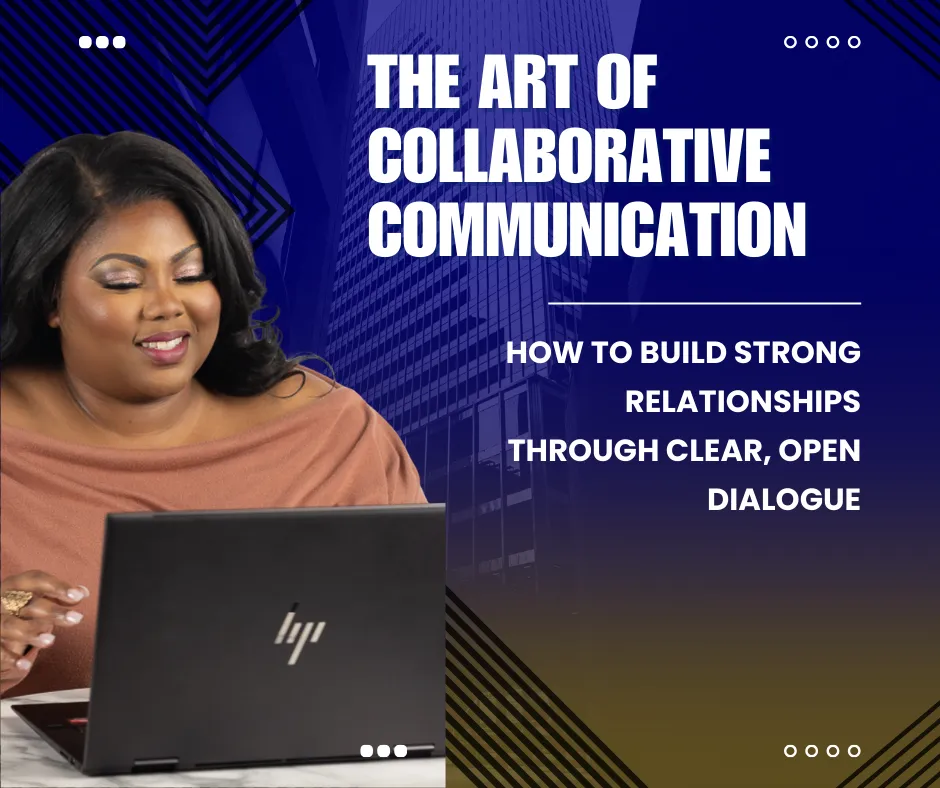
The Art of Collaborative Communication: How to Build Strong Relationships Through Clear, Open Dialogue
Effective collaboration relies on clear, open communication. This article will dive into the key communication strategies that can help you foster stronger partnerships and collaborations, both internally and externally. Learn how to align expectations, address potential conflicts, and create a collaborative environment where everyone’s voice is heard and valued.
Aligning Expectations
Successful collaboration starts with aligning expectations. Clearly define the goals, roles, and responsibilities of each team member or partner. Openly discuss and agree on the desired outcomes and timelines. This alignment ensures everyone is on the same page and reduces the risk of misunderstandings.
Active Listening
Active listening is a crucial component of effective communication. Give your full attention to the speaker, acknowledge their points, and provide thoughtful responses. This practice shows respect and understanding, fostering a positive and collaborative environment.
Regular Check-Ins
Schedule regular check-ins to discuss progress, address any concerns, and make necessary adjustments. These meetings provide an opportunity for open dialogue and help keep everyone informed and engaged. Regular communication helps prevent issues from escalating and ensures continuous alignment.
Addressing Potential Conflicts
Conflicts are inevitable in any collaborative effort, but addressing them promptly and constructively is key. Encourage open communication about any disagreements and focus on finding mutually beneficial solutions. Addressing conflicts transparently helps maintain trust and strengthens relationships.
Creating a Safe Space for Dialogue
Foster an environment where everyone feels comfortable expressing their ideas and opinions. Encourage diverse perspectives and ensure that all voices are heard and valued. Creating a safe space for dialogue promotes innovation and collaboration.
Using Clear and Concise Language
Effective communication relies on clarity and brevity. Avoid jargon and use simple, straightforward language to convey your messages. Clear communication reduces the risk of misunderstandings and ensures that everyone comprehends the information.
Leveraging Technology
Utilize communication tools and technology to facilitate collaboration. Platforms like Slack, Microsoft Teams, and Zoom can enhance communication and keep everyone connected, especially in remote or hybrid work settings. Technology can bridge gaps and support effective collaboration.
Providing Constructive Feedback
Offer constructive feedback to help team members improve and grow. Focus on specific behaviors or outcomes and provide actionable suggestions. Constructive feedback fosters a culture of continuous improvement and strengthens collaborative efforts.
In conclusion, building strong relationships through clear, open dialogue involves aligning expectations, practicing active listening, scheduling regular check-ins, addressing potential conflicts, creating a safe space for dialogue, using clear language, leveraging technology, and providing constructive feedback. By implementing these strategies, you can foster effective collaboration and create an environment where everyone’s voice is heard and valued.
